October 6, 2026
Water damage can wreak havoc on buildings, leading not only to structural issues but also setting the stage for mold growth. This article explores effective strategies to prevent mold after conducting water damage repairs. Understanding how mold thrives and how to mitigate its growth is crucial for maintaining healthy environments following water intrusion events. Mold not only damages property but also poses health risks, particularly for those with respiratory conditions or weakened immune systems. By addressing the root causes and implementing preventive measures, homeowners and property managers can protect both their health and investments.
Understanding Mold Growth
The Basics of Mold
Mold is a type of fungi that thrives in moist environments, feeding on organic matter. It reproduces by releasing spores that can travel through the air, settling in locations where conditions are favorable. These microorganisms are naturally occurring and perform essential roles in recycling organic material in the environment. Despite their ecological benefits, molds can become problematic when they invade indoor spaces following water damage. Understanding what mold is and how it operates is the first step in developing an effective prevention strategy after water damage repairs.
Conditions That Favor Mold Growth
Mold growth is encouraged by specific environmental conditions, primarily involving moisture, warmth, and a food source. According to Real Time Lab, it only takes 24-48 hours for mold to grow as a result of water damage, emphasizing the urgency in addressing water intrusions. High humidity levels, often exceeding 60%, can also contribute to an ideal environment for mold proliferation. Organic materials such as wood, drywall, and carpets serve as potential food sources, enabling molds to thrive. Preventive measures must, therefore, focus on altering or eliminating these conditions post-water repairs.
Health Implications of Mold Exposure
Mold exposure can have a variety of health implications, especially for individuals with preexisting conditions like asthma and allergies. Symptoms resulting from exposure may include nasal congestion, throat irritation, coughing, and in severe cases, respiratory infections. Long-term exposure, particularly in indoor environments, can exacerbate chronic respiratory diseases and immune system disorders. Vulnerable populations, such as children, the elderly, and those with compromised immune systems, are especially at risk. Ensuring proper mold prevention is crucial not only for maintaining physical property but also for safeguarding human health.
Common Areas Prone to Mold After Water Damage
Certain areas within a building are more susceptible to mold after water damage, including basements, bathrooms, and kitchens due to their inherent moisture challenges. Attics and crawlspaces can host mold colonies if not properly ventilated or sealed against moisture. Post-flooding or significant leaks, spaces behind walls, under floors, or within ceilings can harbor mold unnoticed until severe growth occurs. Identifying these vulnerable areas is crucial as part of a comprehensive mold prevention and mitigation strategy. Being proactive in inspecting these spaces can prevent larger infestations down the line.
Identifying Signs of Mold Growth
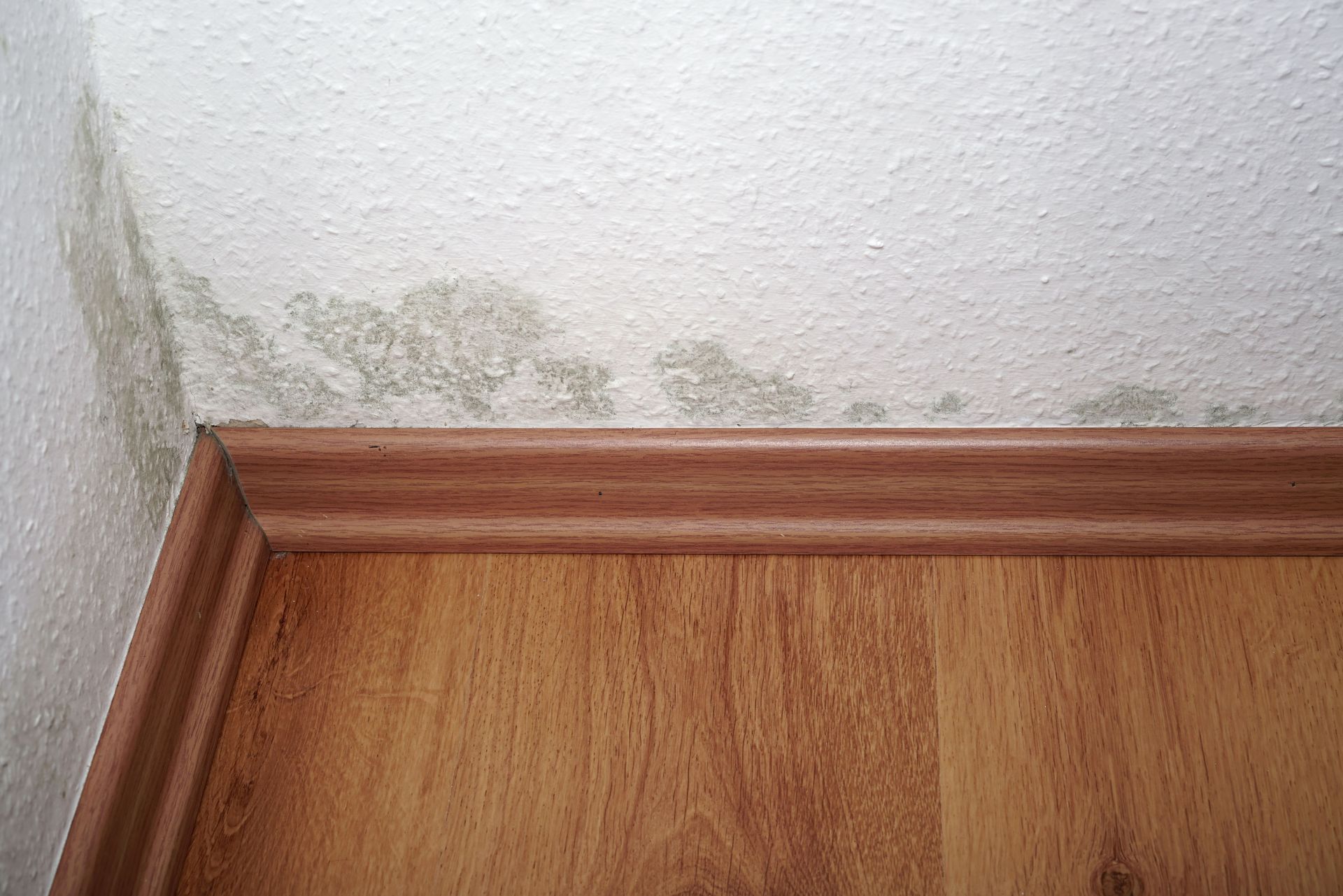
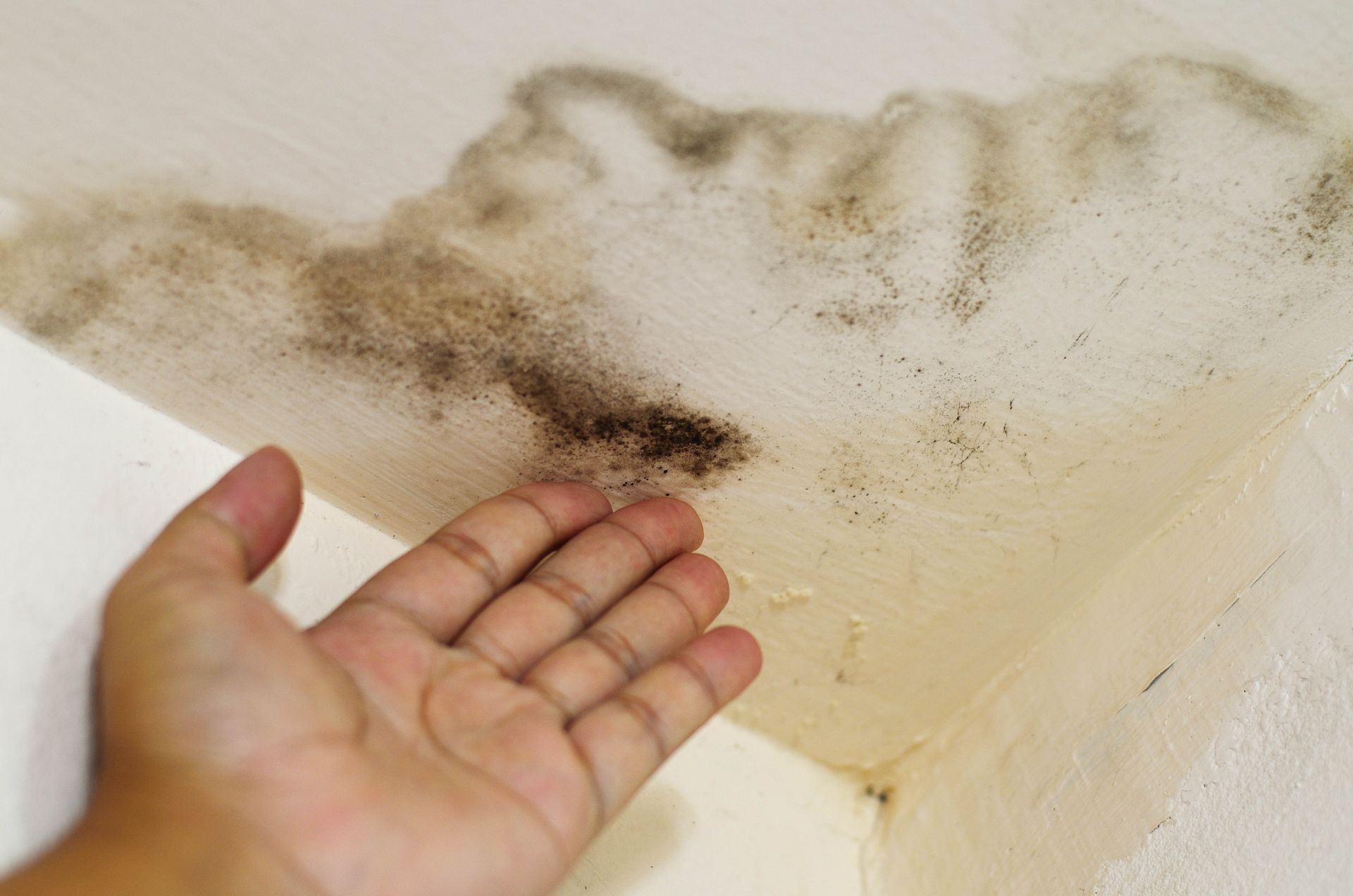
Recognizing early signs of mold growth can significantly impact the effectiveness of mediation efforts. Visual cues such as discoloration on surfaces, peeling paint, and warping materials may indicate mold presence. Musty odors often accompany mold colonies, providing an olfactory clue that further investigation is needed. In some cases, increased allergic or respiratory symptoms among occupants might signal hidden mold proliferation. Prompt identification of these signs enables immediate intervention, minimizing damage and health risks associated with prolonged mold exposure.
Effective Water Extraction Techniques
Using Industrial-Grade Water Extractors
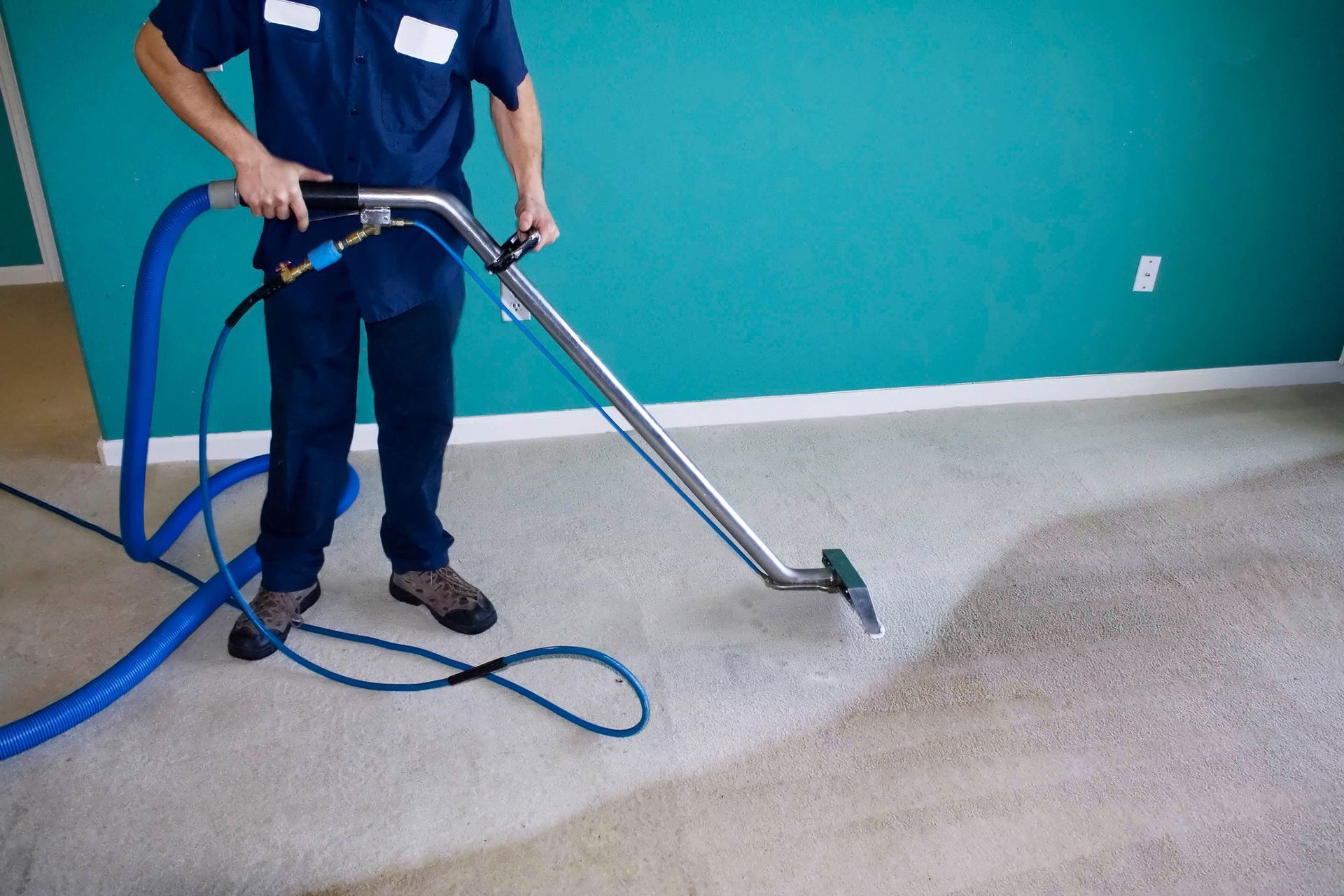
Industrial-grade water extractors are crucial tools in the initial phase of water damage repair to prevent mold growth. These machines are capable of removing large volumes of water swiftly, reducing the time moisture remains in contact with building materials. The use of high-powered extractors ensures that water embedded deep within the structural elements can be efficiently removed. Employing such equipment requires trained personnel to maneuver the machinery effectively across various surfaces and materials. The initial investment in industrial-grade extractors can offset potential losses and health risks associated with post-damage mold growth.
The Importance of Speed in Water Removal
The speed of water removal is critical in mold prevention because time is a significant factor in mold growth initiation. As stated, mold can begin to develop within 24-48 hours following water intrusion, making quick action pivotal. Rapid removal and extraction minimize the windows of opportunity for mold spores to germinate and establish colonies. Effective water damage response plans should prioritize extracting water expeditiously to prevent secondary damage. Investing in efficient extraction techniques early in the process significantly reduces long-term remediation costs and health risks.
Choosing the Right Equipment for Water Extraction
Selecting appropriate water extraction equipment is vital to effectively manage post-water damage scenarios. Depending on the scale and severity of the water intrusion, a combination of submersible pumps, wet vacuums, and specialized extractors may be required. Each tool has a specific function, from removing standing water to drying carpets and padding. Professional assessment can guide the selection process to ensure the right mix of tools and techniques is employed. The correct equipment facilitates comprehensive removal, setting the stage for effective drying and subsequent mold prevention steps.
Monitoring Moisture Levels Throughout the Process
Monitoring moisture levels is an ongoing necessity throughout the water extraction and drying process to prevent mold. Employing moisture meters and thermal imaging cameras can help track the drying progress, ensuring hidden moisture doesn't fuel mold growth. Consistent monitoring allows for adjustments in drying strategies, including modifying airflow and dehumidifier settings as needed. Moisture readings guide decisions, providing quantifiable data to confirm when areas have reached acceptable dryness standards. Relentless attention to residual moisture is critical to accomplishing a successful water damage recovery process.
DIY vs. Professional Water Extraction
The question of whether to tackle water extraction as a DIY project or hire professionals often arises after water damage. While DIY approaches can be cost-effective, they might lack the efficiency and thoroughness of professional intervention. Experts bring experience and access to advanced equipment that can expedite the process and ensure comprehensive water removal. Furthermore, professional services offer guarantees and insurance for their work, potentially covering any issues that arise after repairs. Balancing costs with effectiveness is key to choosing the appropriate course of action.
Thorough Drying Methods
Natural Drying vs. Mechanical Drying
Natural drying relies on ambient conditions such as air movement, sunlight, and open windows to reduce moisture levels in affected areas. While effective in some cases, especially in arid climates, it often lacks the speed and uniformity of mechanical drying methods. Mechanical drying, utilizing fans, heaters, and dehumidifiers, provides controlled, accelerated drying processes crucial for mold prevention. While both methods have merits, the complex nature of water damage often necessitates integrating mechanical drying into the response plan. Choosing the right method depends on the severity of the water damage and environmental conditions.
Utilizing Dehumidifiers Effectively
Dehumidifiers are essential tools in the drying arsenal, helping to reduce humidity levels and inhibit mold growth. They work by extracting moisture from the air, effectively lowering the relative humidity to below the thresholds mold needs to thrive. Proper placement and sizing of dehumidifiers are crucial for optimal performance, requiring strategic deployment within affected areas. Continuously operating dehumidifiers until moisture readings align with safe levels ensures thorough drying. Regular maintenance, including emptying water collection tanks and cleaning filters, optimizes dehumidifier performance, contributing to a successful drying process.
Preventing mold growth is a critical component of effective water damage repair. By understanding mold dynamics, using proper drying and prevention techniques, ensuring maintenance, and educating property occupants, we can significantly reduce the risk of mold proliferation and protect both health and property. Be sure to reach out to Duraclean Services today to learn more about our professional water damage repairs!