March 25, 2026
Water emergencies strike without warning, disrupting homes, damaging belongings, and threatening structural stability. Whether caused by burst pipes, storm intrusion, appliance failure, or plumbing malfunctions, water damage requires immediate professional attention. Emergency water damage repairs are designed to stop the source, mitigate the damage, and restore safety as quickly as possible. Understanding what to expect during the process helps homeowners stay informed, confident, and prepared when facing an unexpected crisis. Below are the key things homeowners should understand when navigating emergency water damage repairs.
1. Understanding How Emergency Water Damage Repairs Begin
Emergency response starts with identifying the source of the water intrusion. Professionals arrive with moisture detection tools, infrared cameras, and specialized equipment to pinpoint hidden leaks or saturated materials. In many cases, the immediate priority involves shutting off water lines, isolating affected zones, and preventing additional moisture from spreading through the flooring, walls, or HVAC system.
Emergency water damage repairs typically involve an initial assessment that determines contamination levels (clean, gray, or black water), affected materials, and necessary safety precautions. Because each situation is different, trained technicians follow established standards to classify the damage and create a customized remediation plan. This structured approach ensures homeowners receive a clear understanding of what needs to be done and why rapid action is essential.
2. Recognizing the Importance of Quick Water Extraction and Drying
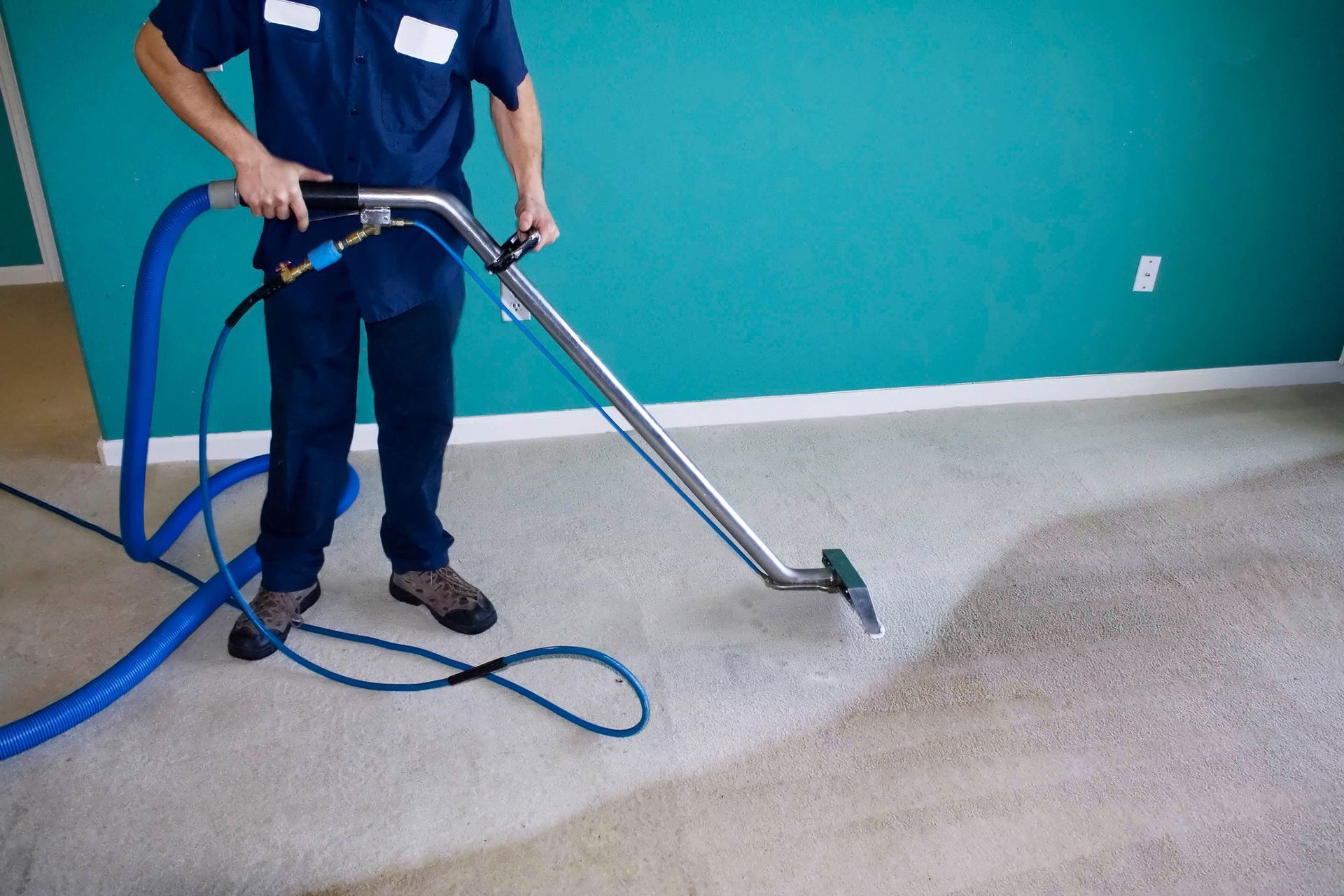
Standing water continues to damage surfaces the longer it remains. Carpets, drywall, insulation, and subflooring absorb moisture quickly, leading to weakened structures and long-term deterioration. Emergency water damage repairs rely on industrial-strength pumps, high-powered vacuums, and professional-grade dehumidifiers to extract water and accelerate the drying process.
Time is a critical factor. Moisture trapped behind walls or beneath flooring can trigger mold growth, warping, or structural decay. Professionals use monitored drying techniques to restore normal humidity levels, ensuring the home dries thoroughly and safely. This level of precision is difficult to achieve without technical equipment, which is why emergency water damage repairs must always be handled by trained specialists.
3. Assessing Structural Components for Hidden Moisture
Water emergencies often affect more than what is visible on the surface. Structural elements like studs, joists, beams, and subfloors may be compromised even when walls or flooring appear dry. Emergency water damage repairs include detailed inspections to detect trapped moisture that could undermine the home’s integrity.
Technicians use moisture meters and thermal imaging to identify hidden pockets of water. If ignored, these areas can lead to rot, warping, or mold growth, which may require extensive reconstruction later. Professional assessments ensure that every layer of the structure—visible or not—is properly addressed. Homeowners gain peace of mind knowing the property is truly dry, not just dry on the surface.
4. Understanding the Role of Mold Prevention and Remediation
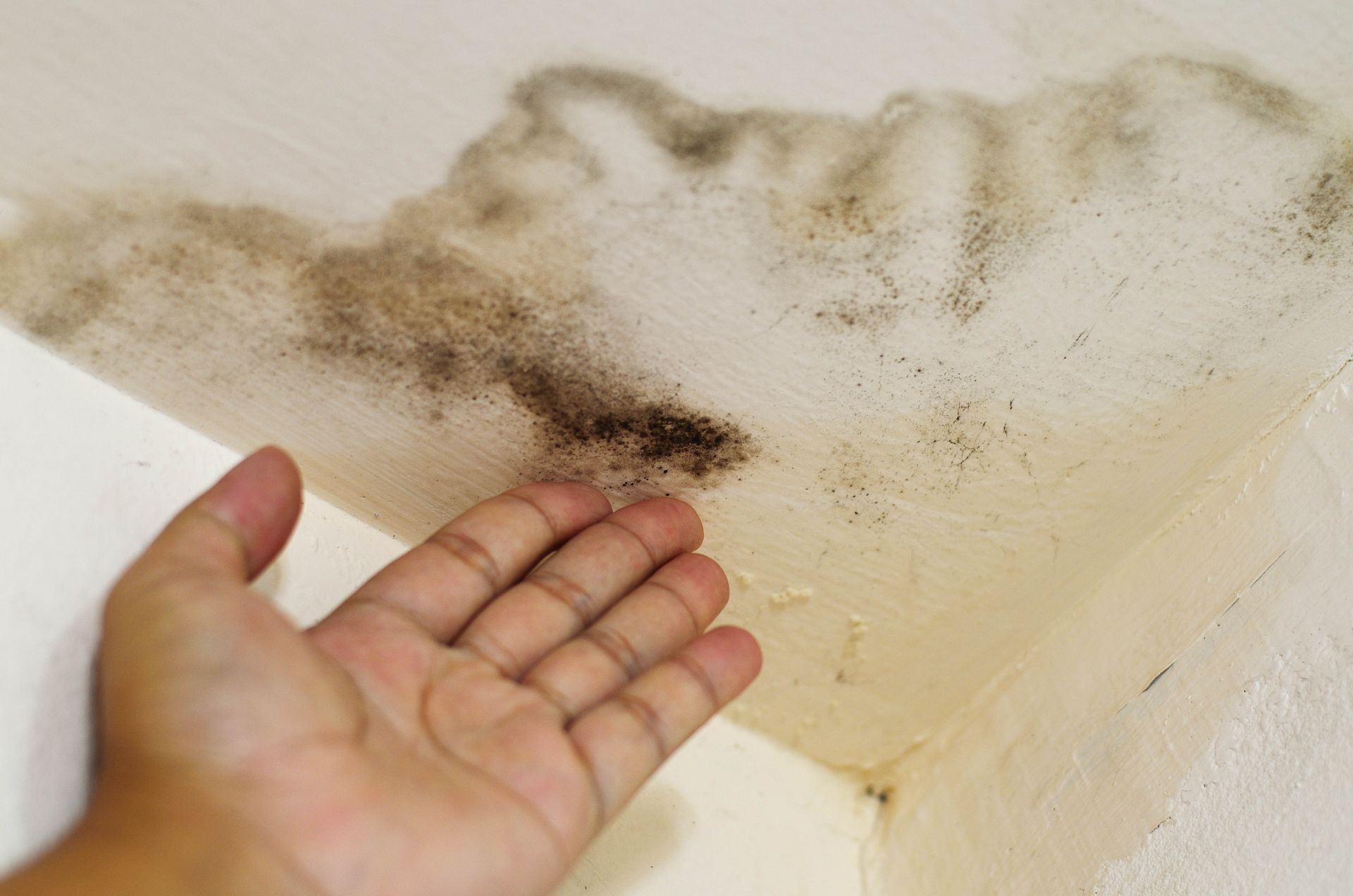
Where water goes, mold often follows. According to findings from This Old House, mold may start forming within 24 to 48 hours on damp surfaces. This makes mold prevention one of the most critical components of emergency water damage repairs.
Professionals incorporate antimicrobial treatments, controlled drying, and proactive inspections to prevent colonies from forming. If mold has already begun to grow, specialists perform safe, contained remediation procedures. They remove affected materials, sanitize surfaces, and restore indoor air quality. Swift attention is vital, as mold can damage the home and pose health risks if not addressed promptly.
5. Evaluating the Level of Material Restoration or Replacement Needed
Not all materials can be salvaged after water exposure. Carpets, insulation, drywall, and baseboards may need replacement depending on contamination levels and how long the moisture remained. Emergency water damage repairs include professional guidance on what should be restored, repaired, or removed.
The restoration team will determine:
- Whether structural framing can be dried and treated
- If the flooring requires replacement or refinishing
- What materials must be discarded due to contamination
- Which components can be safely restored to pre-damage condition
Technicians prioritize cost-effective solutions, but they also ensure long-term safety. Their expertise helps homeowners avoid future problems caused by materials that were compromised but not properly replaced.
6. Documenting Damage for Insurance and Financial Recovery
Water emergencies often trigger insurance claims, and documentation is essential for proper reimbursement. Professional teams managing emergency water damage repairs document every step of the process, including photographs, moisture readings, and written assessments.
This documentation supports the homeowner’s claim and provides transparency throughout the restoration. Experienced providers also communicate directly with insurance adjusters when needed, helping streamline approvals and minimize delays. With proper documentation, homeowners can focus on recovery rather than navigating complicated claim questions on their own.
7. Understanding Safety Protocols Used During Water Damage Repairs
Safety is a top priority during emergency water damage repairs. Technicians take steps to ensure electrical hazards, contaminated water, or compromised structural components do not put residents at risk. In more severe cases, access may be temporarily restricted until the environment is safe.
Safety measures often include:
- Turning off power in affected areas
- Using protective equipment
- Isolating contaminated zones
- Testing for air quality concerns
- Removing hazardous materials
Clear communication ensures homeowners understand each step and the reasons behind these precautions. With proper safety measures in place, the restoration process protects both the property and the people living in it.
8. Knowing What Professional Equipment Is Used During Restoration
Emergency water damage repairs incorporate highly specialized tools designed for efficiency and precision, including:
- Moisture detection devices
- Industrial dehumidifiers
- High-pressure air movers
- Submersible pumps
- Thermal imaging cameras
These tools allow technicians to uncover hidden moisture, accelerate drying, and prevent secondary damage. Their expertise in selecting the right equipment for each phase ensures thorough and reliable results. Homeowners benefit from professional-grade resources that far exceed the capabilities of basic consumer products.
9. Understanding How Restoration Companies Prevent Secondary Damage
Secondary damage—such as warped flooring, buckled trim, and weakened drywall—often appears days or weeks after the initial water incident. This happens when moisture remains trapped in building materials or humidity stays elevated. Emergency water damage repairs not only address visible problems but also prevent hidden damage from surfacing later. Professionals use ongoing monitoring, humidity checks, and structural evaluations to ensure the home returns to stable conditions. Their work reduces the risk of costly repairs that might otherwise occur long after the initial emergency has passed.
10. Anticipating the Timeline for Full Recovery and Restoration
Every water emergency is unique, making timelines vary. Some properties dry within a few days, while others require multiple phases of restoration and reconstruction. The severity of the water intrusion, the type of materials affected, and the contamination level all influence the timeline. During emergency water damage repairs, technicians explain each stage and provide realistic expectations. Transparency helps homeowners plan, reduces stress, and ensures that the restoration process feels manageable even during a challenging situation.
Water damage is one of the most urgent and disruptive events a homeowner can face. From structural concerns and mold risk to insurance documentation and safety protocols, there is much to consider. Professional emergency water damage repairs provide the expertise, equipment, and strategic response needed to stabilize the home, prevent long-term damage, and restore peace of mind. Immediate action is essential. Moisture spreads quickly, hidden dampness can remain undetected, and mold may begin forming within a short period. By choosing qualified professionals who understand the complexities of water damage, homeowners ensure their property receives the most comprehensive and protective care.
When water emergencies strike, you deserve a team that responds quickly, works thoroughly, and restores your home with expertise and care. At Duraclean Services, we provide reliable
water damage repairs designed to protect your home from structural issues, mold, and long-term deterioration. Contact us today for fast, professional service you can trust during your most urgent moments.